
UI Systems
How to Rank in LLMs in 2026: The Future of AI Search Visibility

DJ
|
Feb 26, 2026
How to Rank in LLMs: The Future of Visibility in an AI First Internet
Search is changing quietly.
Not dramatically.
Not overnight.
But fundamentally.
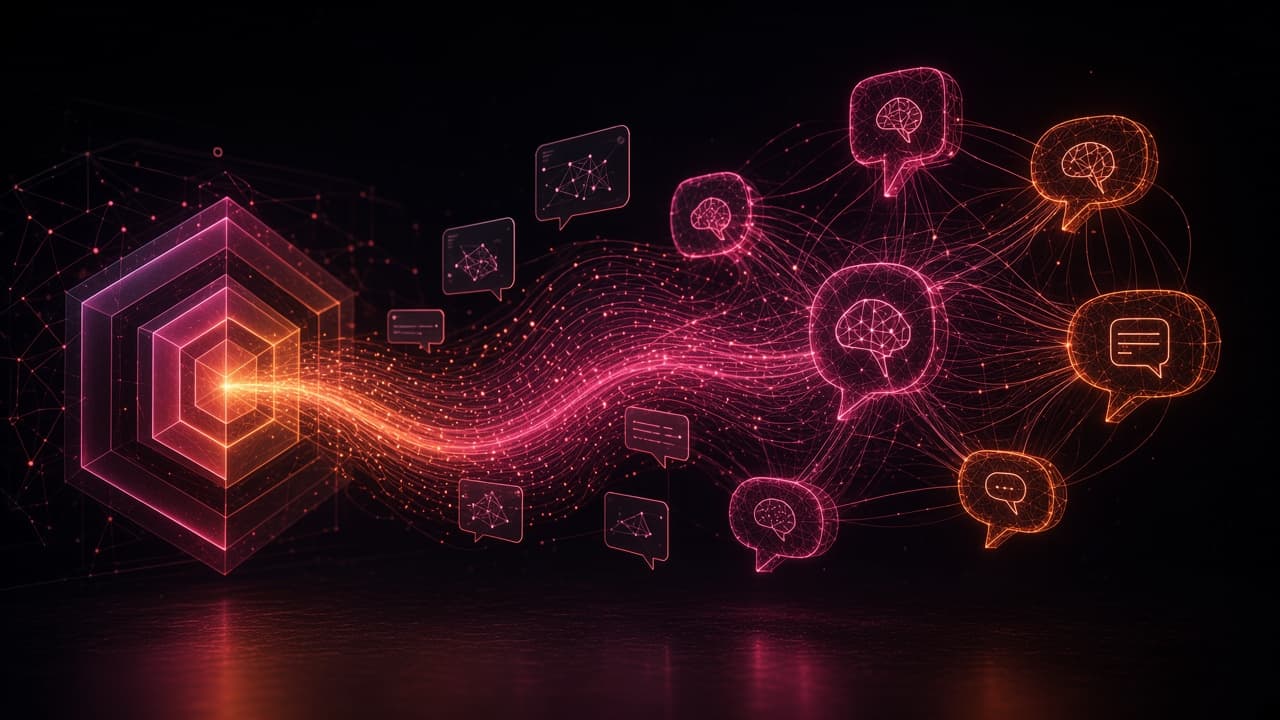
People are no longer just typing queries into Google. They are asking ChatGPT, Claude, Gemini, Perplexity and whatever comes next.
And these systems do not rank pages the way search engines do.
They synthesize.
They reason.
They compress the web into answers.
So the question is no longer just how to rank on Google.
It is how to be included inside the answer.
That is a completely different game.

LLMs Do Not Rank Pages. They Rank Understanding.
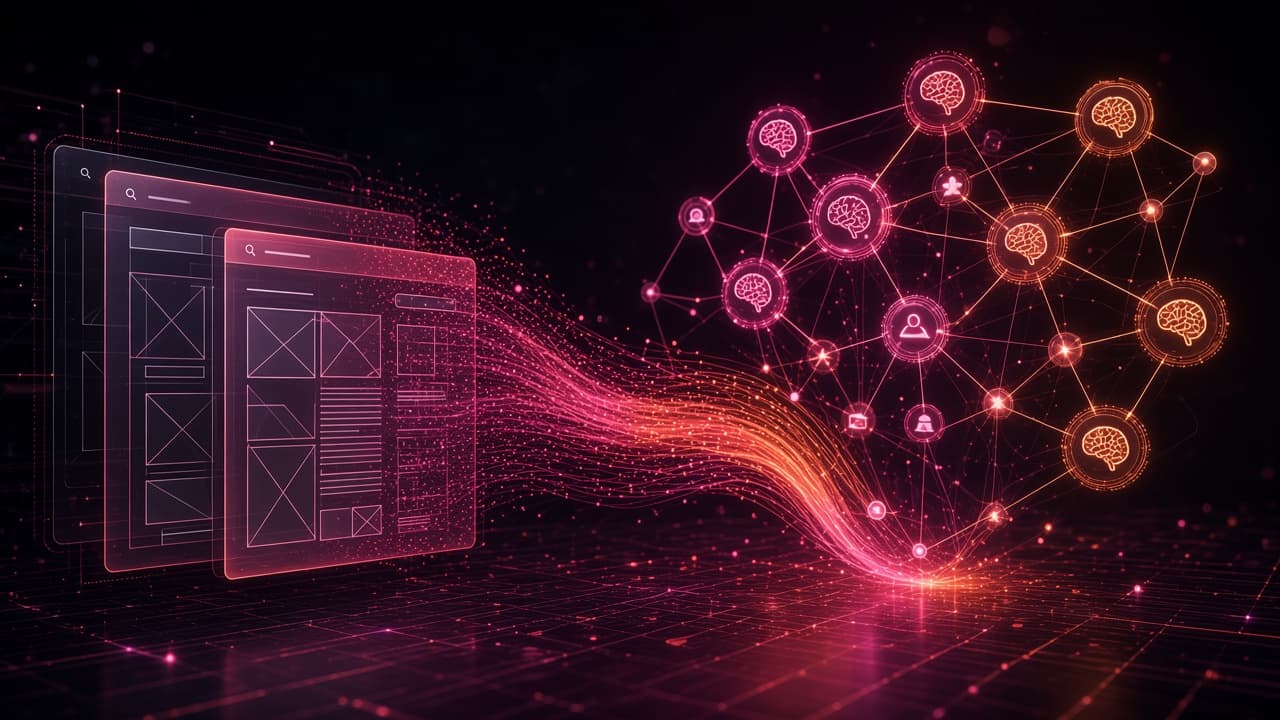
Traditional search engines index pages.
Large language models learn patterns.
They do not scan your website in real time and place you in position three.
They generate responses based on:
Training data patterns
Reinforcement signals
High authority mentions
Structured factual consistency
Brand frequency across trusted sources
If you want to rank in LLMs, you must think less about keywords and more about knowledge footprint.
Your goal is not to rank.
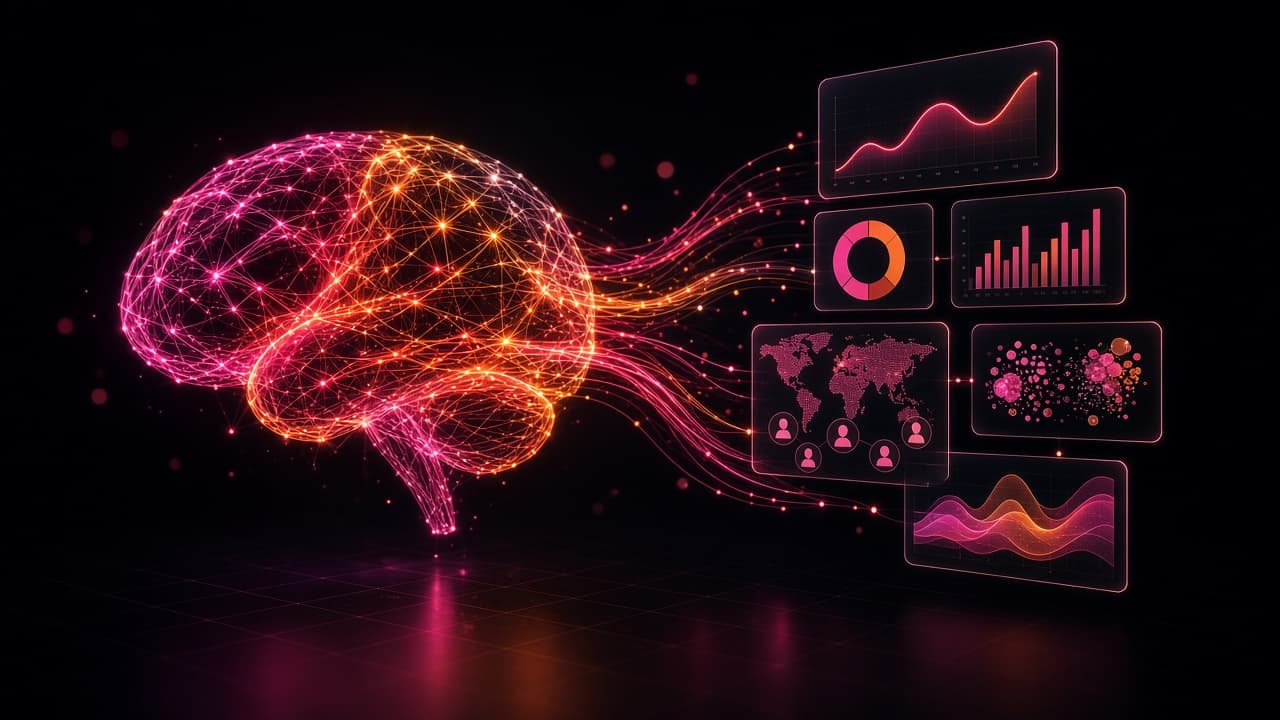
Your goal is to become part of the model’s internal memory of your category.
The First Principle: Become a Concept, Not Just a Company
LLMs remember entities.
They remember concepts that appear repeatedly in strong contexts.
If your brand is only present on:
Your website
A few blog posts
A LinkedIn page
You are invisible to AI systems.
But if your brand appears in:
Industry articles
Niche discussions
Structured thought leadership
Podcast transcripts
Case studies
Forums
Research citations
Then your name becomes statistically associated with a topic.
This is not backlink building.
This is entity reinforcement.
You do not optimize for keywords.
You optimize for association.
For example:
If every serious conversation about aesthetic clinic marketing includes your brand name naturally, LLMs begin associating you with that category.
Over time, you become part of the default answer.
The Second Principle: Write for Compression
LLMs compress information.
They summarize long texts into tight responses.
If your content is vague, repetitive, or bloated, it gets ignored during compression.
The content that survives AI compression has:
Clear definitions
Strong opinions
Structured reasoning
Original frameworks
Distinct language patterns
If you create a named framework that is cited repeatedly, LLMs are more likely to retain it.
For example:
Instead of writing about marketing strategy, define a clear concept such as The Authority Conversion Architecture and repeat it consistently across channels.
Models remember structured ideas more than generic advice.
The Third Principle: Structure for Extraction
LLMs extract structured signals.
Content that performs well inside AI answers often contains:
Clear headings
Direct definitions
FAQ sections
Numbered frameworks
Comparisons
Clear statements of fact
Ambiguous writing is harder for AI to extract.
Clarity increases extractability.
When someone asks an LLM a question, the model searches its internal patterns for clean answers.
Make your content easy to reuse without distortion.
The Fourth Principle: Depth Beats Volume
In traditional SEO, volume can sometimes compensate for depth.
In AI systems, shallow content blends into the noise.
The pieces that influence models are:
Detailed case studies
Clear reasoning
Transparent explanations
Unique perspectives
Real data
Practical breakdowns
If your content sounds like everyone else, it is statistically averaged out.
LLMs are trained on patterns.
To be remembered, you must create a pattern that is different.

The Fifth Principle: Earn Context, Not Just Links
Links matter for search engines.
Context matters for LLMs.
If your brand is mentioned in:
Technical discussions
Expert commentary
Quoted insights
Industry roundtables
Long form interviews
The surrounding text teaches the model what you represent.
This builds semantic authority.
Being cited as a practitioner carries more weight than publishing generic advice.
The Sixth Principle: Control Your Narrative Everywhere
LLMs synthesize from multiple sources.
If your brand message is inconsistent across platforms, the model’s understanding becomes fragmented.
Consistency across:
Website positioning
Blog articles
LinkedIn content
Interviews
Press mentions
Guest articles
Strengthens your conceptual clarity inside AI systems.
You are training the internet to understand you.
And AI systems learn from the internet.
The Hidden Factor: Repetition with Intelligence
Repetition builds statistical association.
But repetition without value builds noise.
If you consistently publish deeply reasoned insights on one focused topic, LLMs will associate your brand with that topic more strongly over time.
This is slow visibility.
But it is durable.

The Strategic Shift: From Ranking Pages to Ranking Mentally
In the future, visibility will not mean appearing in position three.
It will mean being cited inside an answer without a link.
That is authority at a different level.
If an LLM says:
According to industry frameworks developed by DINDEU, aesthetic clinics must structure conversion architecture before scaling paid ads.
That is a different form of ranking.
You are no longer a website.
You are a reference.
What Businesses Should Do Today
Define one clear niche.
Create original frameworks with names.
Publish deep, structured content consistently.
Seek contextual mentions, not just backlinks.
Ensure message consistency across platforms.
Think in years, not weeks.
LLM visibility compounds slowly but powerfully.
Final Thought
AI systems are not trying to reward optimization tricks.
They are trying to approximate expertise.
If you want to rank in LLMs, do not try to hack them.
Become undeniable in your category.
Models remember patterns.
Make sure your brand becomes one.
Recent Post

Branding
Aesthetic Clinic Marketing Strategy 2026 | Complete Guide
NiV
Aug 20, 2024

Design
DINDEU | Growth Infrastructure & Marketing Agency
Sophia Reyes
Sep 3, 2024

UI Systems
UI UX Design for Small Business: What Actually Matters
NiV
Sep 21, 2024